
In this series of blogs, we speak with creators and practitioners about their work, exploring how technology and law shapes their creative practice. In this post, we explore the influence of platforms and algorithms on the ability of emerging artists to reach new audiences and sustain their careers.
Jorge (Haobin) Wang is a visual artist and photographer who has lived and worked in Leeds, London and Beijing. He has had numerous exhibitions of his work, including No Ball Games By Order, a mixed video and photographic project depicting the architecture of working-class neighbourhoods in Leeds, UK. I spoke to Jorge as part of a research project on visual artists’ experiences using the social media platform Instagram. Excerpts from that conversation are presented below. We explore Jorge’s creative vision, his experiences navigating the algorithm, finding other communities of artists online, and his views on copyright law.
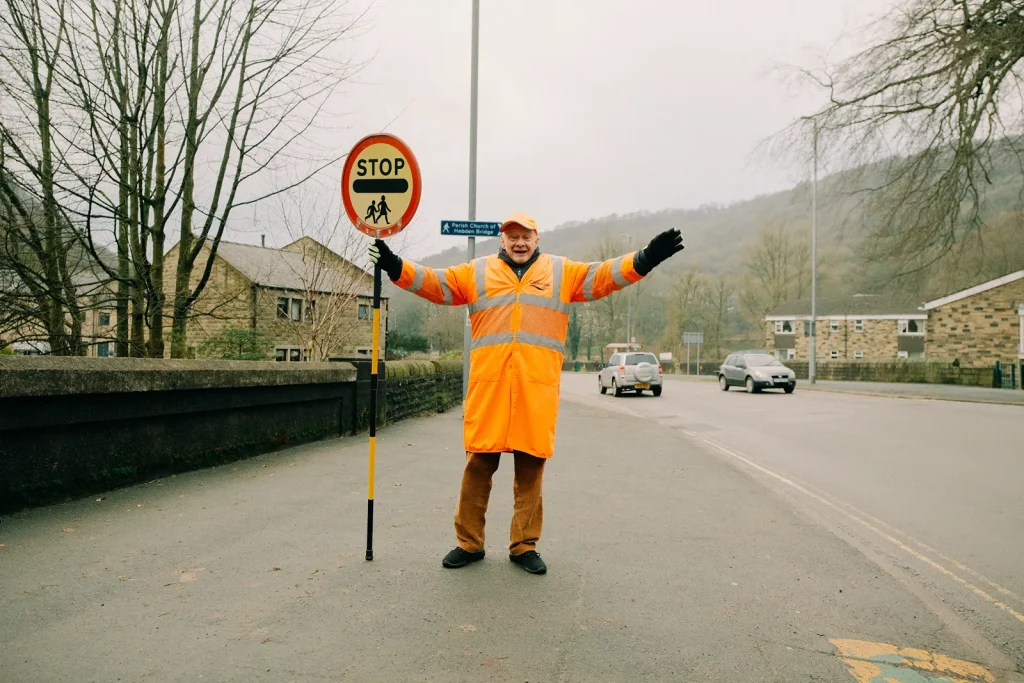
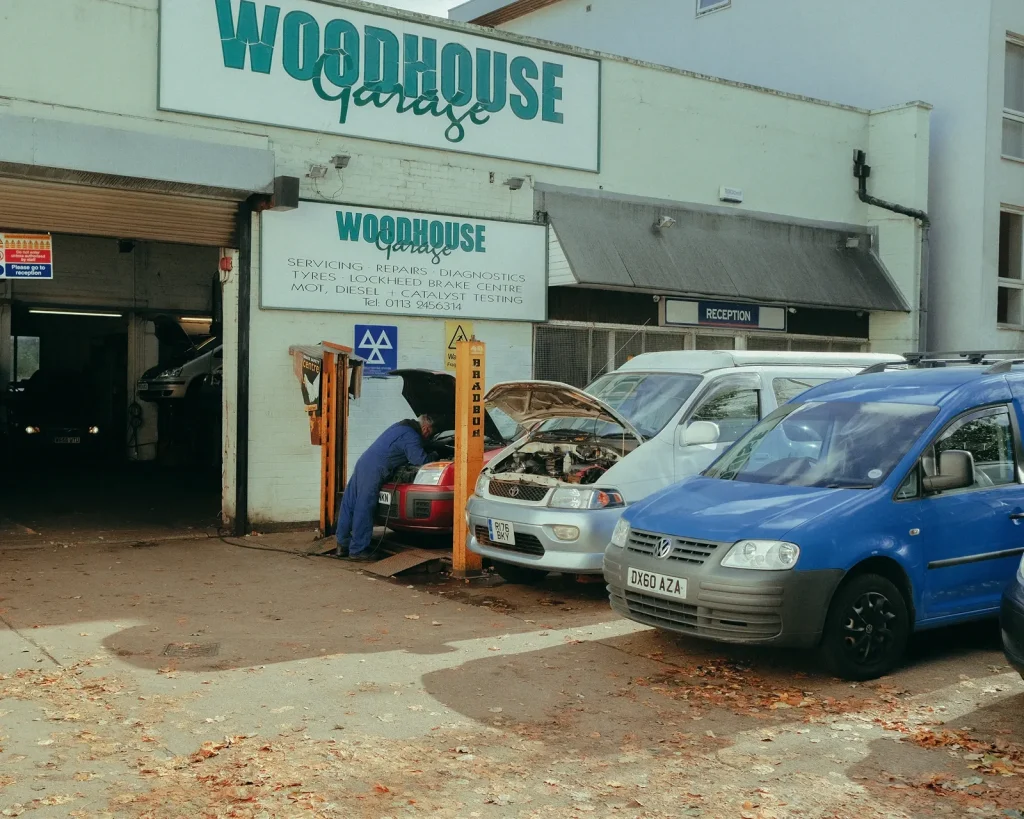
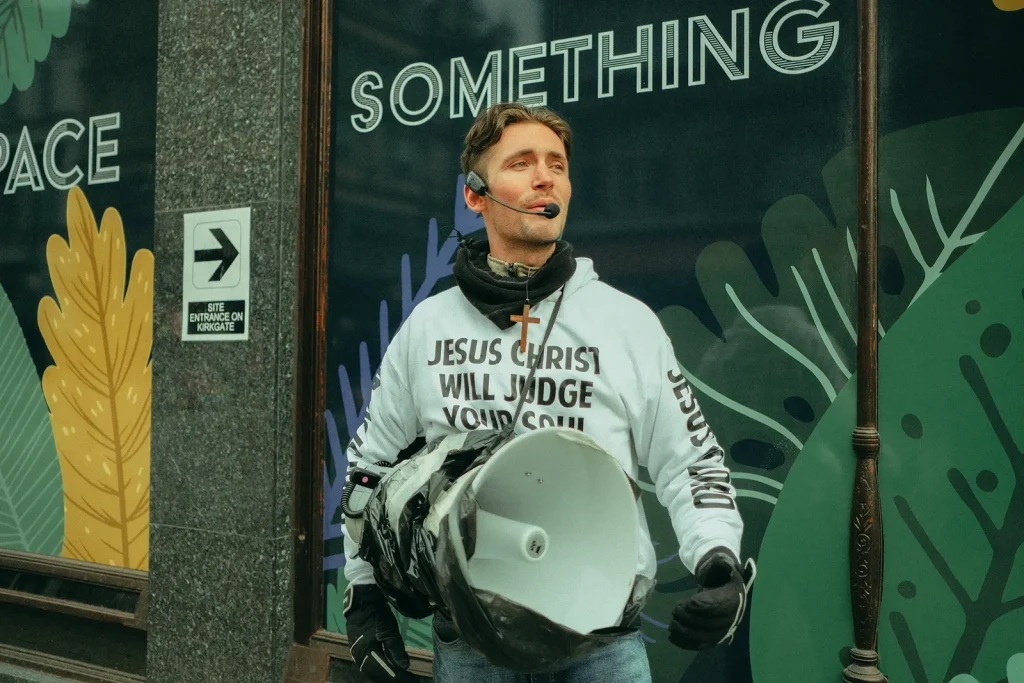
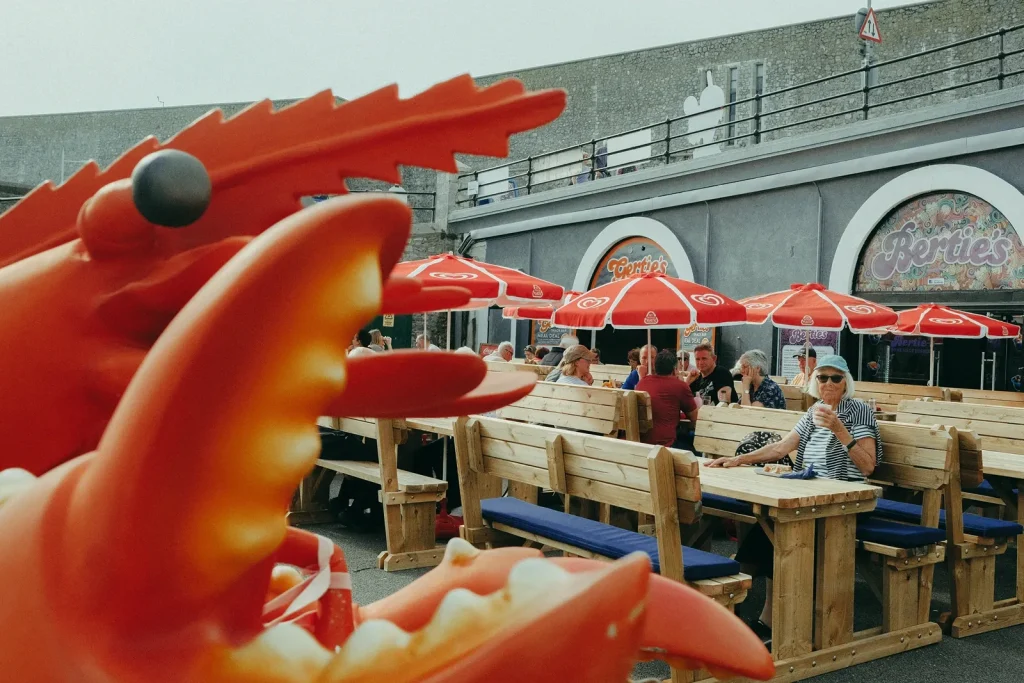
All images in this post are copyright Jorge Wang. Reproduced with permission of the artist.
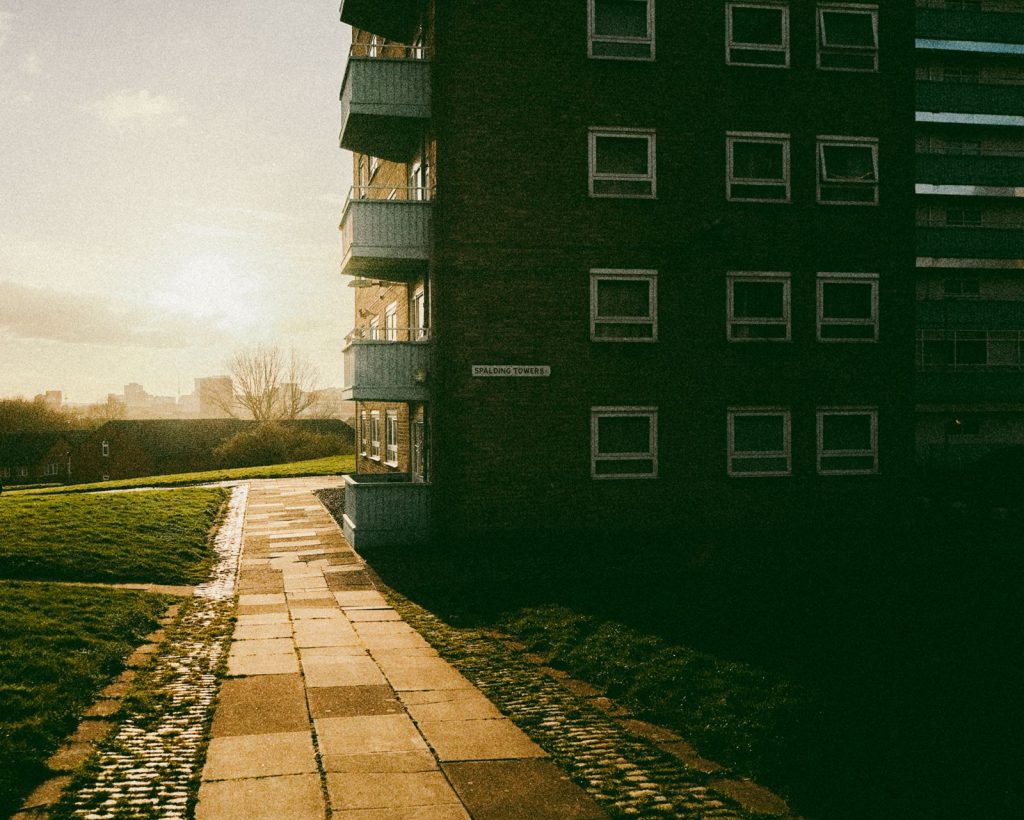
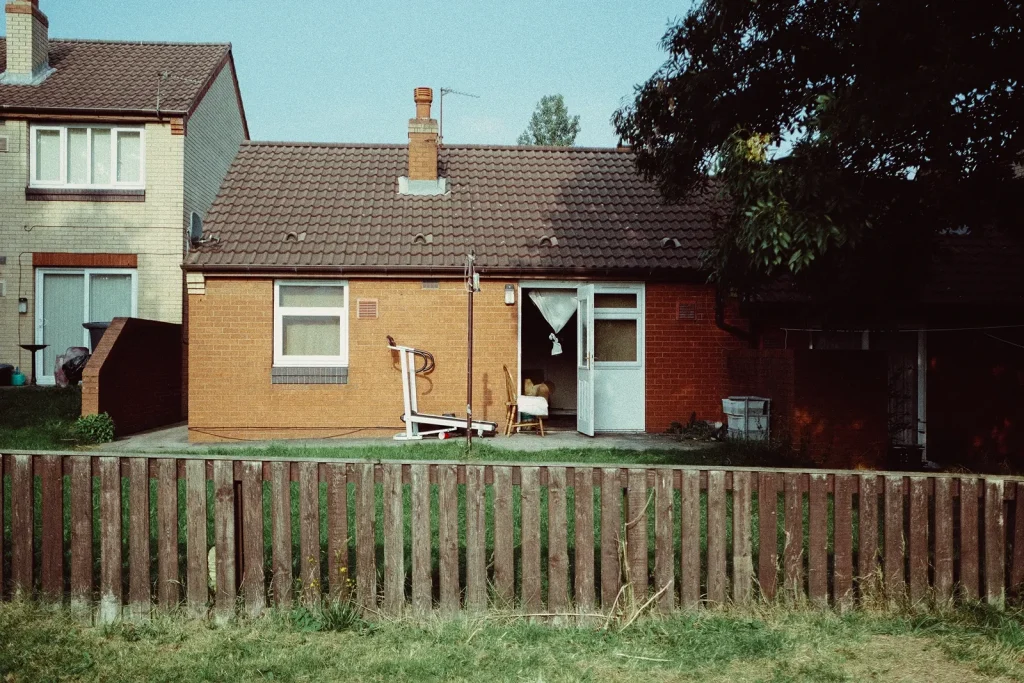
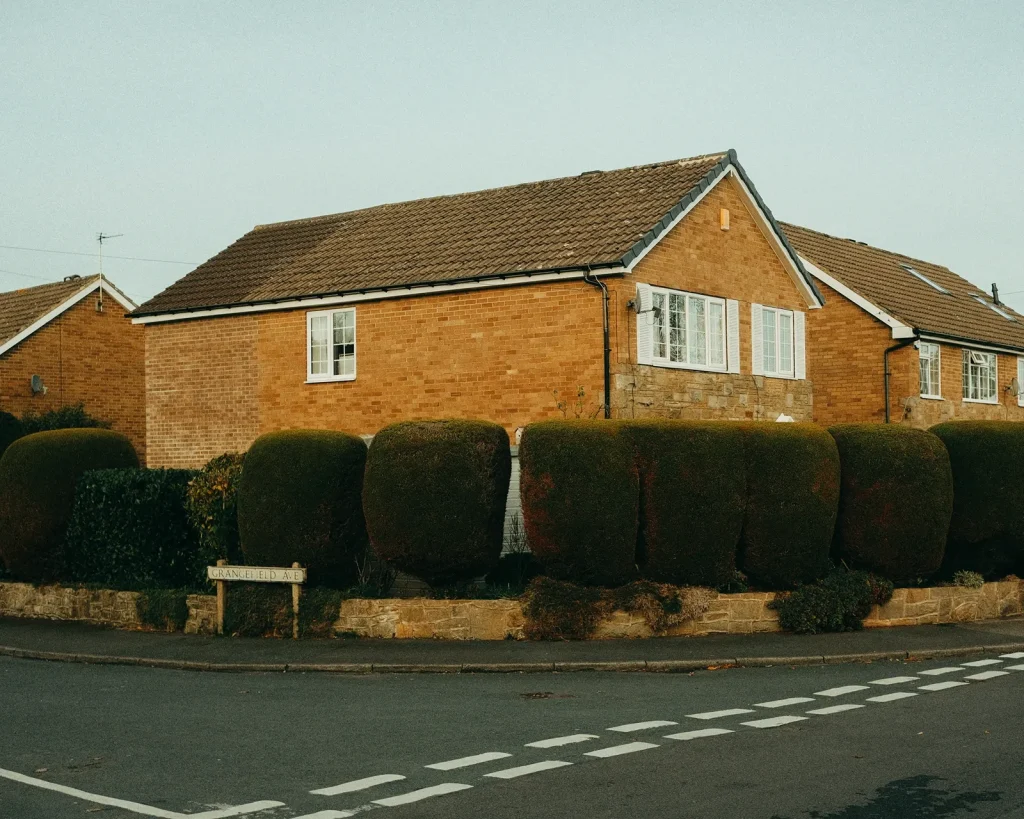
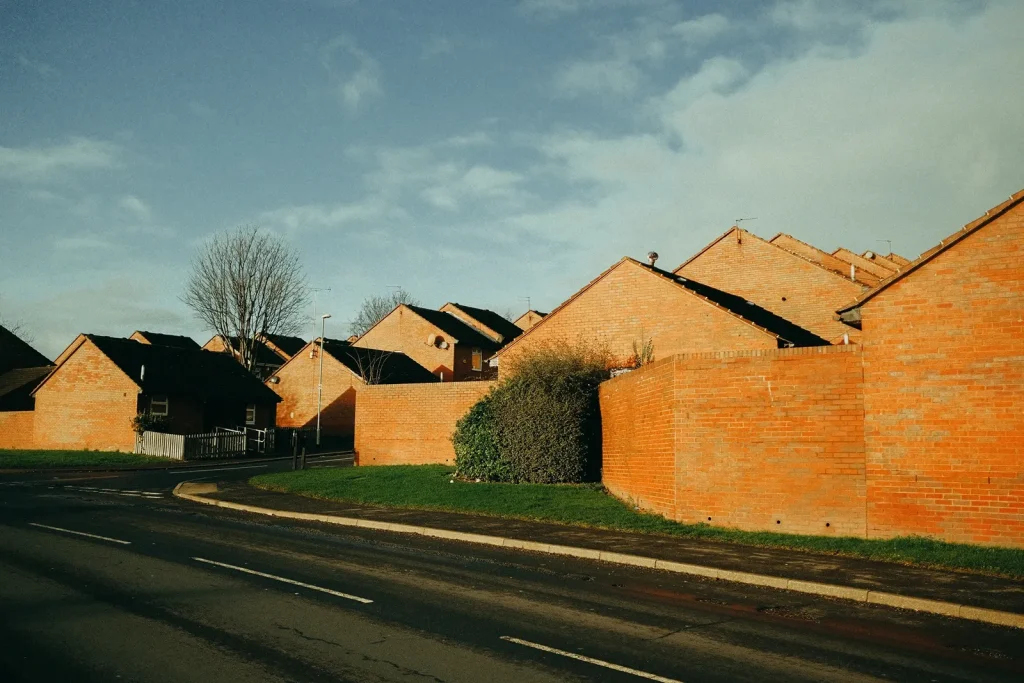
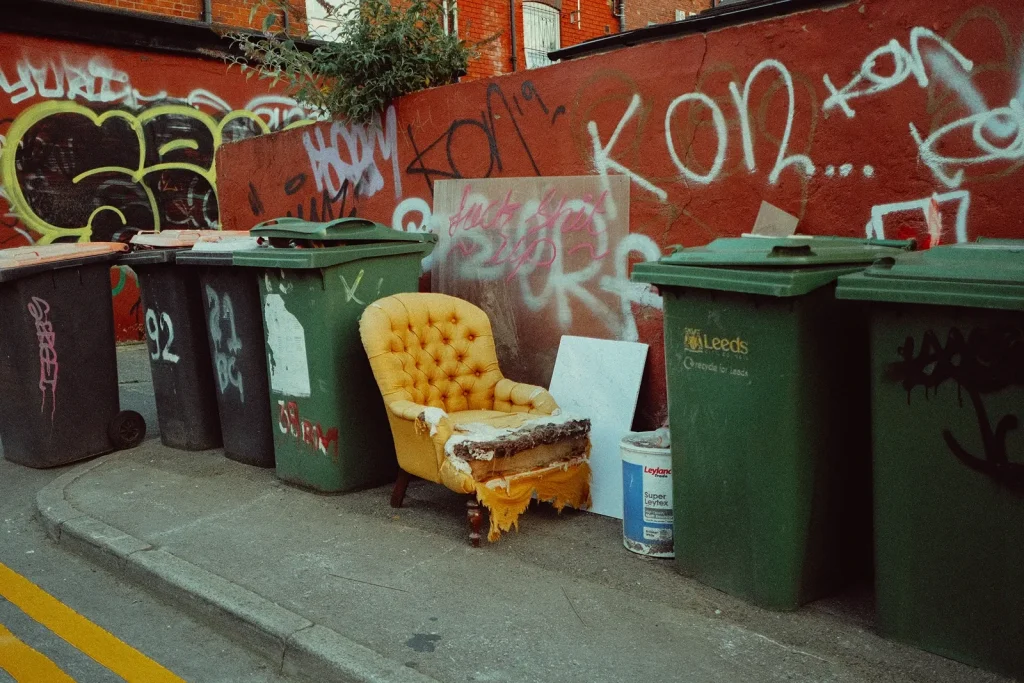
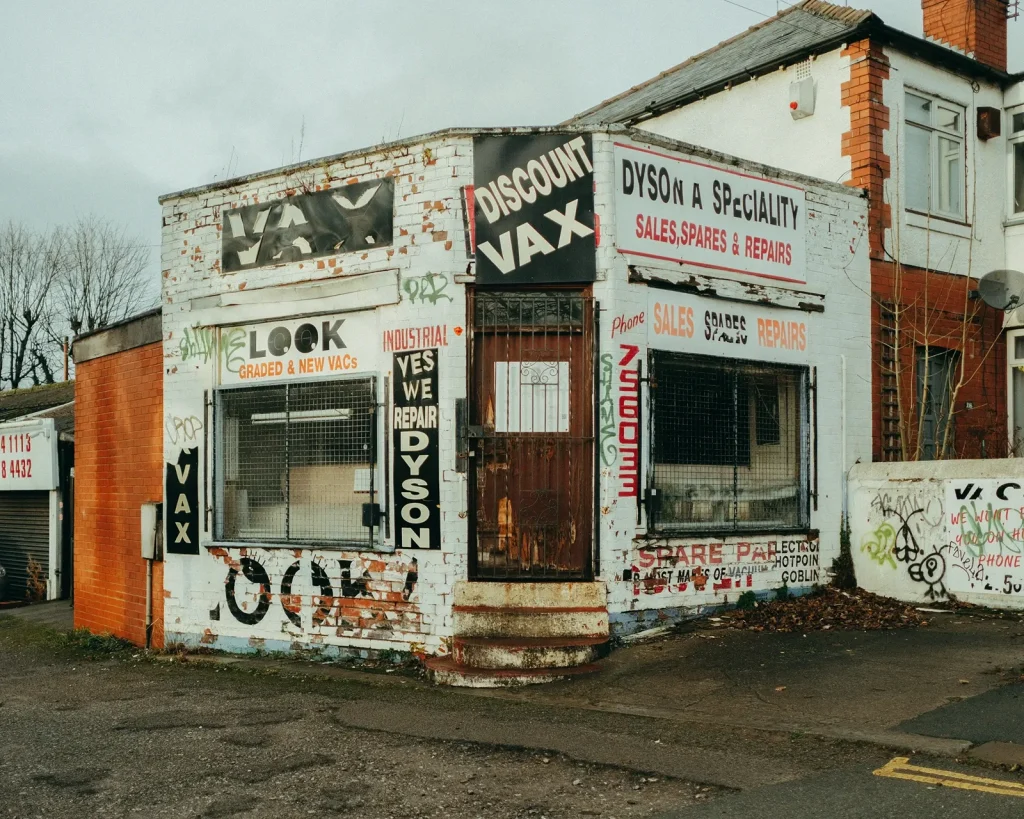
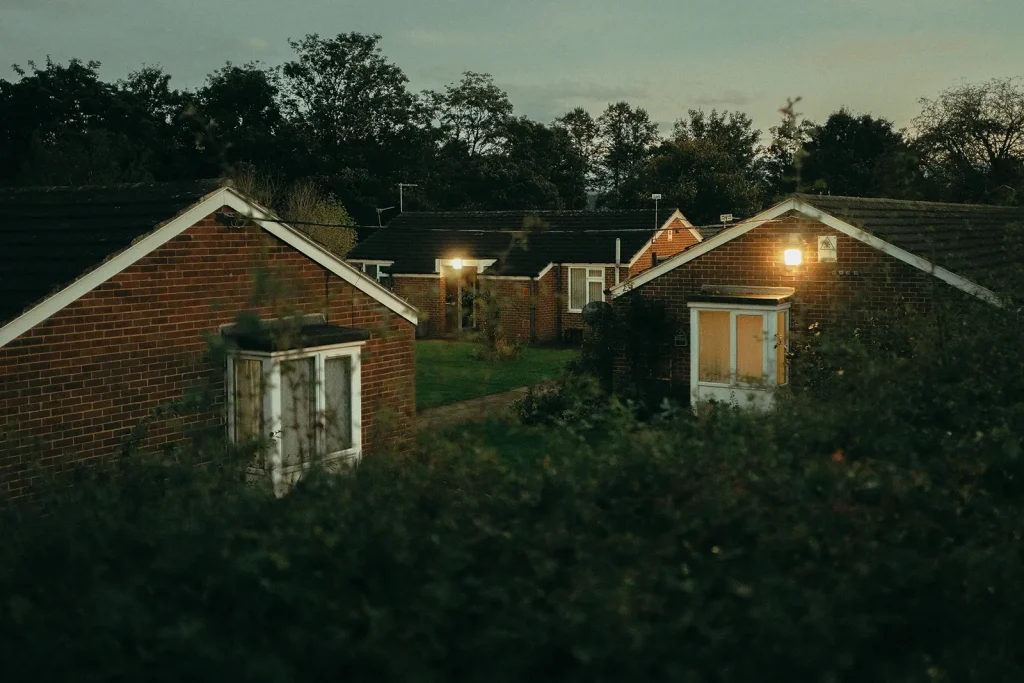
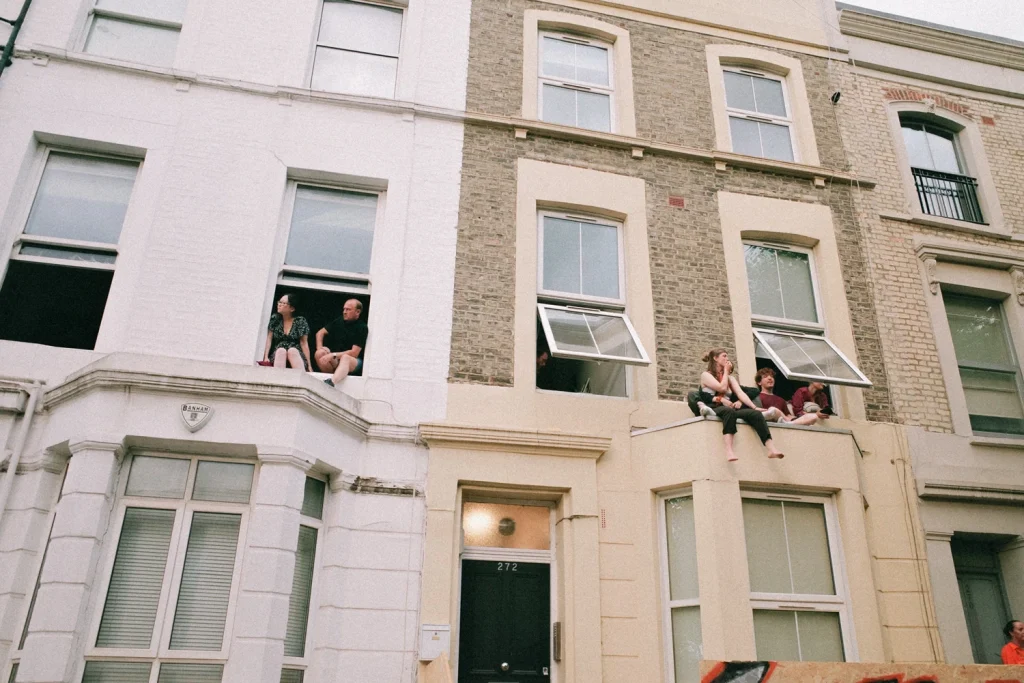
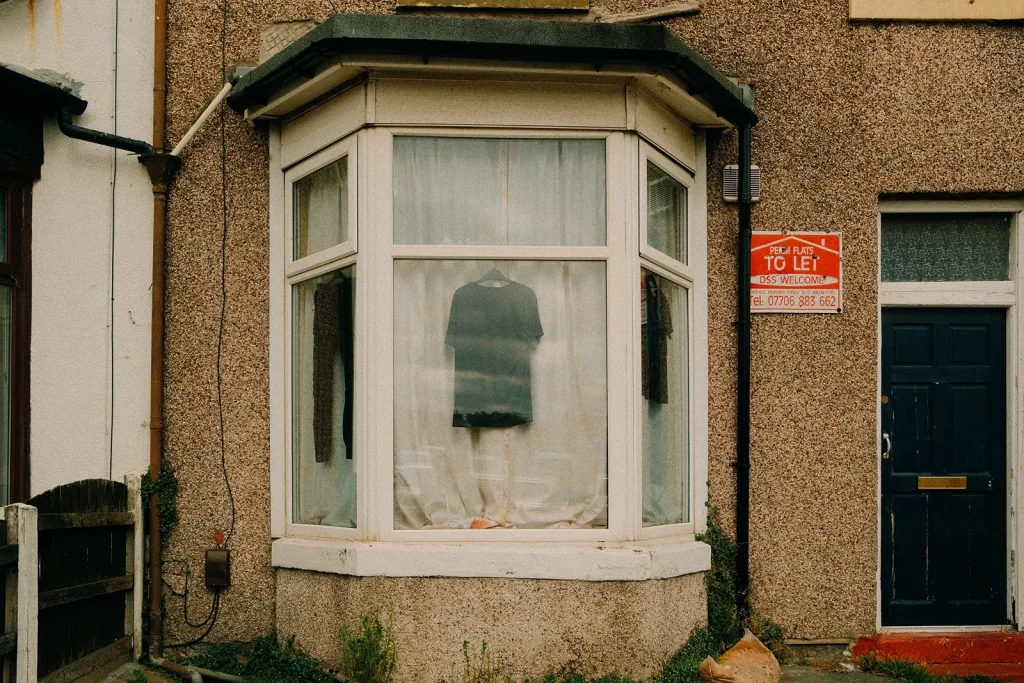
[Kris] A lot of your photographs seem to draw attention to the architecture of UK cities and the spaces that people inhabit socially. Can you speak a little bit about that?
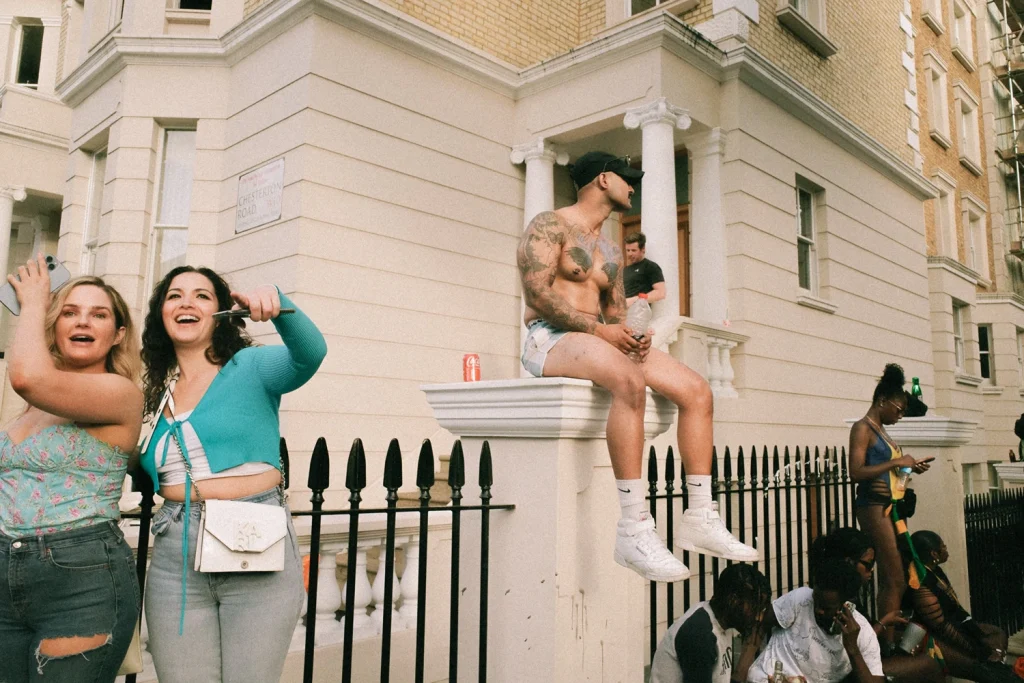
[Jorge] Yeah. Because that’s the context, right? You know, the building provides the context and environment for people to live. Spending time living in those neighbourhoods in Leeds and London, I naturally started capturing that with my photography – at the beginning a lot of it was just for fun, really – just to like train my eye and train how I see things, how I sense things. After a while taking photos in my neighbourhood I kind of realised, okay, without context the image doesn’t make sense. By focusing on the architecture, it provides a different meaning to the image, you know, it’s about people doing their thing in their space. It’s the most beautiful thing. This is what I am trying to express a lot of the time in my photography.
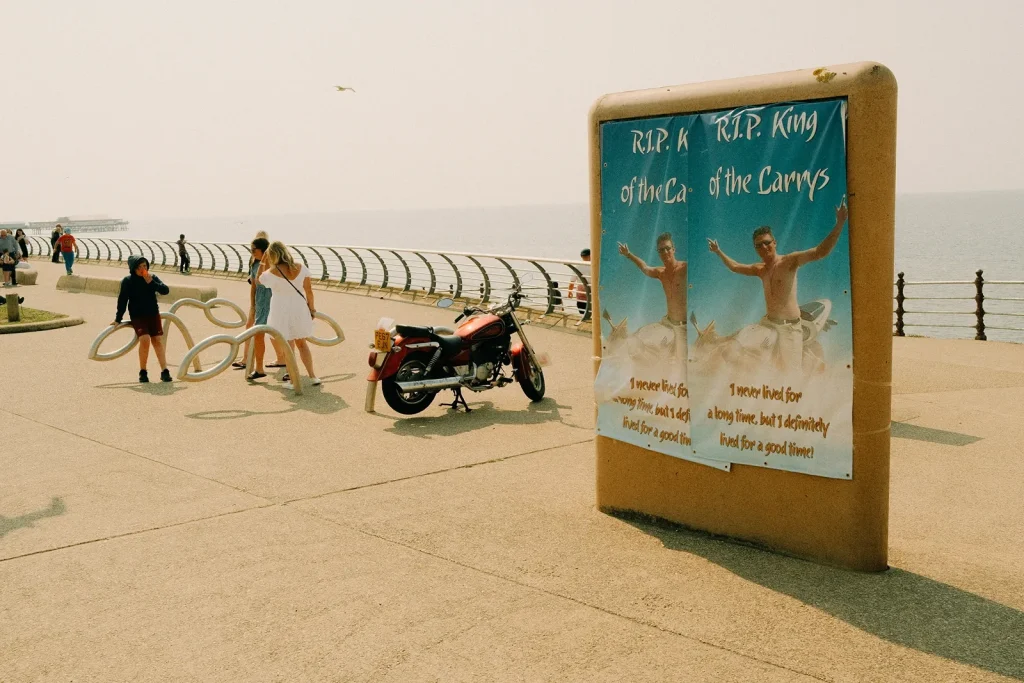
[Kris] I am interested in the people you photograph. Some of your work reminds me of Martin Parr, the great British photographer of ironic situations, featuring people on holiday or doing awkward things. I see a little bit of that in some of your photos, like this irony, or pointing out something anachronistic or something that’s, you know, a little bit unusual.
[Jorge] Yeah. I mean, I suppose I’m still trying to figure out why I take photos, because I stopped for a bit, right? I’ve been painting, I’ve been trying different mediums. I’ve been pulled into making videos these days as well. And coming back to the familiar environment of photography, I’ve been thinking about my motivation. On one hand I do it just for fun, but also I’ve been thinking about whether photography is a projection of myself, even if I don’t like to see it that way [laughs]. Because rather than my photographs just being an extension of myself, I would like to, you know, ideally treat each photo as having a life of its own.
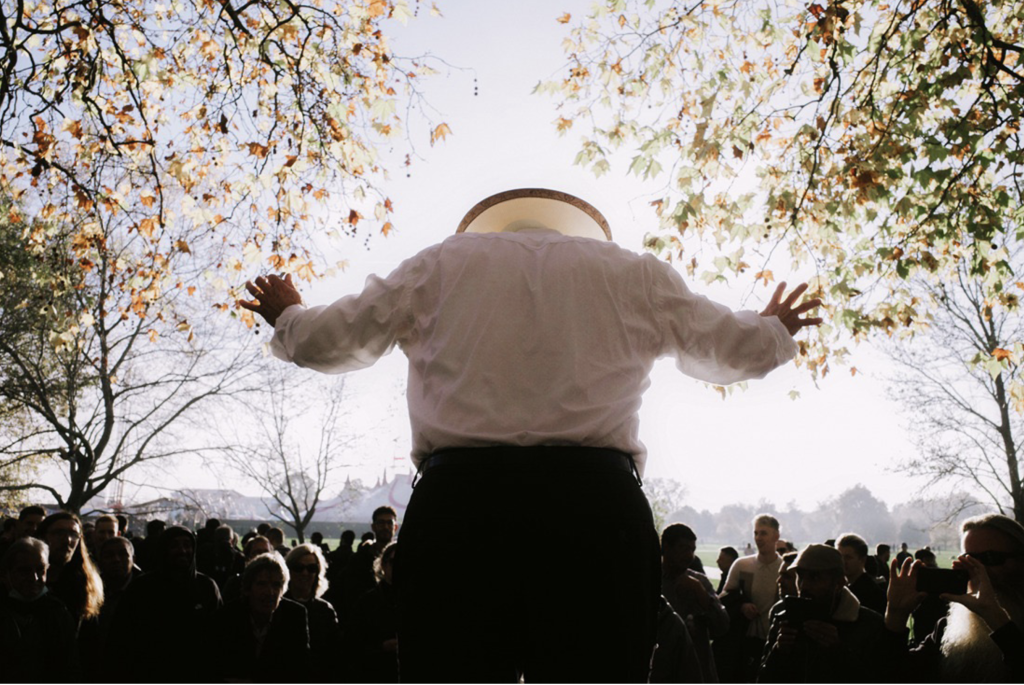
Just like painting: rather than putting too much of oneself into the image, I’d like to make something that stands alone. But overall, I find it’s hard to shake off these kinds of attachments or feelings that might come through in the image. With photography, it might be easier to keep oneself out of the image. Because, when it comes to other people, the photographer can’t always decide who’s gonna be in the scene. When I walk around the city, I don’t decide, okay, what’s gonna be in the frame, you know? It’s completely random, mostly luck.
[Kris] Does your identity as an artist still come through in the photographs in other ways? As an outsider looking at your work, the settings may be public and “random” as you put it, but the work as a whole has a consistent identity.
[Jorge] I still don’t always know why I take a certain photograph. But I always want to shoot, and go out in the city. It’s like breathing. But at the same time, I’ve been trying to figure out why I take this photograph or that one, it’s a tension with my other artwork. Sometimes out in the city you come across things that you weren’t looking for. A lot of the time that’s the case. I think personally, in terms of what makes a particular photograph mine, is my mood at that moment. How I feel really affects how I see things on a given day. And it, you know, that creates a kind of stamp.
But on the other hand, I don’t tend to like meddle with the subject. I tend to stay quite discreet. I like things to, you know, unfold on their own. I don’t tend to try and design what the scene will look like. Because this chaos, this rendezvous with society – with everyday people – is the best designer.
[Kris] You seem to really enjoy being out and amongst people, strangers. How do they react to you and your camera?
[Jorge] Yeah. I love the way I can just like go into places and then stumble across things and think, “This, this is crazy, you know, this is wacky as hell, how could this be there?” I find I get these kind of weird, unusual surrealist moments a lot. And I feel excited when I stumble across these, you know, these random things kicking about the city. And then I like to see how these situations evolve. This unpredictable nature of cities. Why and how you know, people act.
Like the other day in Beijing, I had been walking around, a lot, and I stumbled across a random poster. The poster was making fun of people with constipation, right? it’s like a public service constipation poster, telling the story of an American guy who had constipation for like many years, 3 years and he died, you know? Who made that? Why are they putting those up around the city? And I thought, “damn, this is crazy.” And then you realise that the city provides such rich stories and situations. So for me, photography is a way of interacting with the world. You talk to people, I chat with a lot of random people. And you get into things you would never have gotten involved into. it’s a way also to meet people you don’t normally meet, and step out of your comfort zone. You know, I don’t like being in bubble because it’s just not enough for me, really.
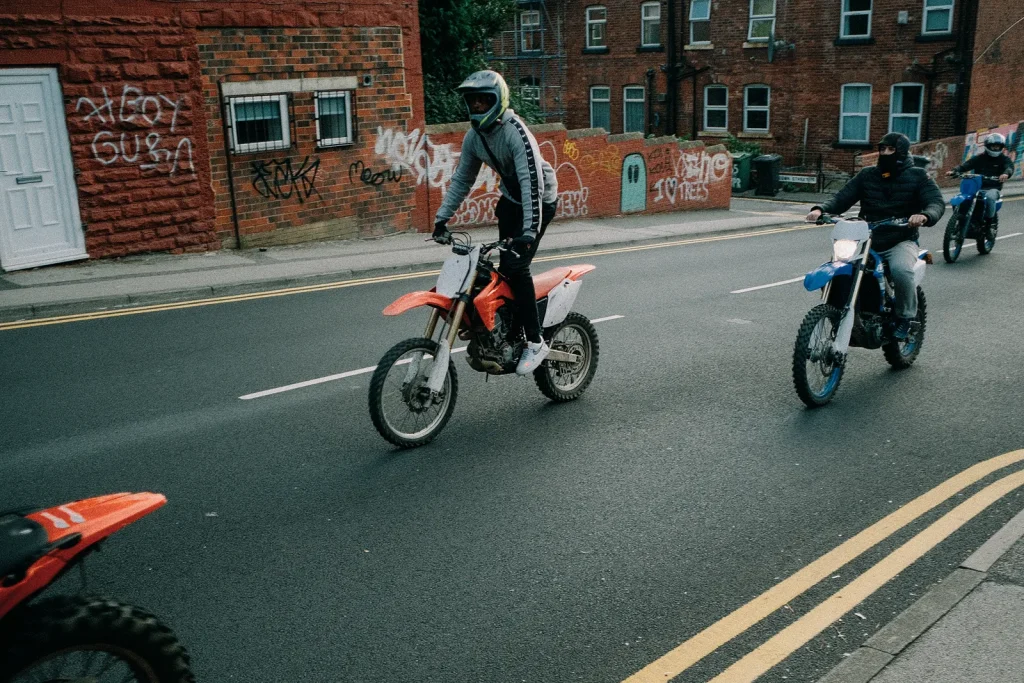
[Kris] I want to ask you about Instagram, because I know you use that platform to share your work. How do you feel about it and how has it helped or hindered your artistic practice?
[Jorge] It’s been a tricky one, because lately Instagram doesn’t push my content as much, because I haven’t been posting for a while. And, overall, Instagram just been showing less and less of my stuff to people because, as you know, things got harder for photographers after Reels [short-form video] came out. But in response to that, I started posting videos, which you know, helped me a little bit.
On one hand I can’t feel too frustrated about Instagram not showing my work as widely. Because when you upload all that stuff, you’re using their service and storage space. Server space isn’t free, but they get advertising revenues and stuff from users. Apparently, you have to pay for ads as a creator for your stuff to get pushed more.
In general, I find making work purposefully for Instagram forces you to stay in a particular niche. It’s just kind of in this weird mentality of “okay, should I try to please the algorithm, or try to please other people on the platform?”. To do that successfully, you kind of have to compartmentalize. You get assigned a niche automatically by the algorithm, and if you ever try to get out of that, you know, the algorithm kind of bugs out and doesn’t know how to behave. But I suppose that’s the limitation of the algorithm, it needs to do the job with as little effort as possible and therefore it reacts to things quite extremely, I suppose. So that makes it hard to try new things on the platform, and that’s definitely not good.
But you know, on the other hand I’ve also been able to get gigs and shows as a result of exposure on Instagram. So, as far as just using it to show my work, that’s been positive.
In general, it’s just not a very transparent platform. Another photographer friend of mine posted a photo of one of his children’s teeth falling out. Just like a family photograph, and Instagram labelled it as sensitive content, causing his engagement to plummet. This just happened the other day. Meanwhile, there’s so much other “edgy” or even borderline pornographic content on Instagram that doesn’t get treated in a consistent way. I mean, no one really understands how the algorithm works. It’s like, you know, the black box.
[Kris] Have you found it useful to link up with other artistic communities on Instagram, for example via hashtags?
[Jorge] Yeah, I did use hashtags. It did work for a while in terms of engagement, but then it stopped working. For a while, film photography hashtags were quite popular, but if you use too many hashtags, you can get penalised. So it’s, it’s also tricky. And the technology is always changing behind the scenes. Of course, Instagram tracks what you like and what you spend time on or what you share, what you save, and then it just gets more of that content to you. The algorithm seems to be getting a bit smarter but more dangerous, you know, in that sense. Because content creators have this idea, “okay, in order to attract this audience coming from these hashtags, having these kind of preferences, I’d better make more of that kind of content.”
I mean, it’s a good thing and the bad thing at the same time, you know, if a specific audience likes your work.
[Kris] I’m coming around to the view that fine art and Instagram are incompatible. And it’s because of what you just said, right?
[Jorge] Yeah.
[Kris] It’s because the whole job of the algorithm is to give people what they want. But art is not always about giving people what they want. Your personal website is like the anti-Instagram. It’s so different and I really enjoy navigating it. Tell me about that. It’s not a platform. It’s your own thing.
[Jorge] Yeah, the website is definitely my own thing. I just coded it really because I thought man, why don’t you do a website? Everyone else uses Cargo or Square, these commercial providers. I’m just gonna create my own.
[Kris] So my final question relates to the to the purpose of our blog and the research centre CREATe, which I’m a part of. We investigate the role of copyright in helping artists achieve sustainable careers. And the assumption has often been, well copyright helps creators make money and helps support them. So I just wanted to get your opinion in your view on like what it’s like to be a creator now in the digital era, and whether copyright is important to you.
[Jorge] Yeah. I actually have thought about that a lot, you know? it’s a really important thing to me. One thing I’ve been thinking about a lot lately is the effect of AI, right? AI has been quite a tricky one. This tool is too powerful in a sense but also it’s very flawed. Generally, I don’t like images made with AI, but rarely, very rarely, I’ll see something awesome made with AI, which I really like. So I suppose it depends on the creator and their intentions. AI is just a new trick or a new medium, like smartphones were for photography.
In terms of copyright, I always have this feeling that, you know, I’m developing as an artist, always learning. And as long as I keep doing my own thing, then my voice will gradually form, you know? So for that reason, copying doesn’t really bother me. Because everything is just constantly a work in progress. Finished works are important as markers of progress, a project I’ll do whilst trying to figure out these other things.
Creativity is like a fire, right? It’s always changing, even if the core of it, the reason why the fire burns, remains unchanged. As an artist you just constantly add new things to fuel it a bit more.
I suppose that I should be more mindful about copyright belonging to other people. Generally, I make everything myself and I record everything myself and I don’t use other people’s content.
But Instagram also is a funny thing, because it encourages us as users to remix and share other people’s content all the time.
[Kris] Thank you so much for speaking to us, and sharing your perspectives as a creator.
More links:
Jorge (Haobin) Wang personal website
You may also like:
Copyright and Generative AI: What can we learn from terms and conditions?
“Press X to kill” A conversation on Microsoft’s game studio closures – part 1 and part 2
Re-Defining Indie – Charting the course of independent authors in the digital age
Creative practice on platforms: Photography on Instagram
Cultural Intermediaries and how artists get heard